"What I'm struggling with most isn't missing them — it's feeling like I lost a version of myself in the relationship. Like my confidence, my routine, even my identity got tied to them without me realizing it."
If those words hit something in you, you're not alone — and you're not imagining it. This is one of the most common things people feel after a breakup, and one of the least talked about.
Most breakup advice focuses on missing the person. But for many people, the harder truth is this:
You don't just miss them. You miss who you were when you were with them — or you're realizing you don't fully know who you are without them.
That's not weakness. That's what happens when two lives become deeply intertwined. And the good news is: this feeling, as disorienting as it is, is actually the beginning of something — not the end of something.
----------------------------------------------------------------
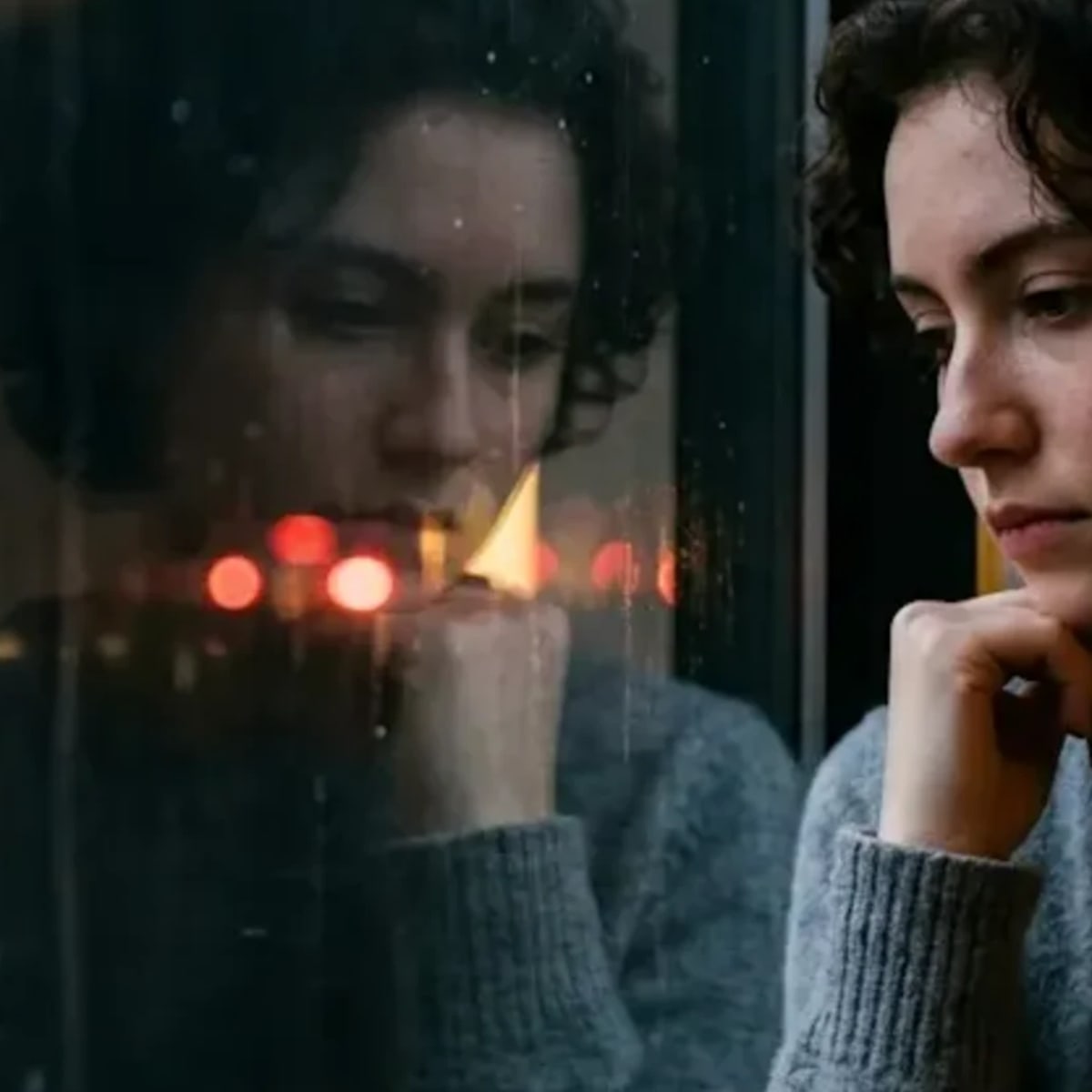

WHY THIS HAPPENS — AND WHY IT'S NOT YOUR FAULT
When you're in a relationship, especially a long or serious one, your sense of self naturally starts to merge with the relationship itself. This isn't dysfunction — it's normal human bonding. Over time:
• Your routines shift to fit around someone else's schedule, habits, and preferences
• Your social circle may start to overlap heavily with theirs
• Decisions — big and small — start factoring in another person by default
• Your sense of "us" becomes stronger than your sense of "me"
• Even your confidence can become tied to how they saw you, or how the relationship made you feel
None of this is a mistake. It's what closeness looks like. But when the relationship ends, all of that — routines, identity, confidence, social structure — doesn't just gently detach. It often feels like it gets ripped away all at once.
That's why the disorientation after a breakup can feel so much bigger than "missing a person." You're not just grieving them. You're grieving a version of your life — and a version of yourself — that existed inside that relationship.
----------------------------------------------------------------
"WHO AM I WITHOUT THEM?"
This question can feel terrifying the first time it surfaces. It might come up when:
• You're filling your weekend and realize you don't know what you actually enjoy doing anymore
• Someone asks "what are you into?" and your mind goes blank
• You catch yourself about to do something "because they liked it that way" — and pause
• You realize your daily routine was built entirely around someone else's life
Here's the reframe that matters most: this question isn't a sign that something is wrong with you. It's a sign that you're standing at the edge of rediscovery.
You didn't lose yourself permanently. You set parts of yourself aside — consciously or not — to make room for the relationship. Right now, for the first time in a while, there's space to pick them back up. Or to discover new ones entirely.

HOW TO START FINDING YOURSELF AGAIN
This isn't something that happens overnight, and it doesn't require a dramatic life overhaul. It happens in small, deliberate steps — the same way identity quietly dissolved into the relationship in the first place.
1. Notice what was "theirs" vs. what was "yours." Think about your routines, interests, and habits. Which ones did you genuinely enjoy — and which ones were really about them? There's no judgment here. Just noticing is the first step.
2. Reconnect with one thing you set aside. Maybe it's a hobby, a friendship, a type of music, a way of spending your weekends. Pick one small thing you used to enjoy before the relationship — or even just before things got hard — and gently bring it back.
3. Make small decisions just for you. What do you want for dinner? How do you want to spend your evening? These might feel like tiny questions, but answering them honestly — for yourself, with no one else to factor in — is identity-building in action.
4. Pay attention to what feels like relief, not just sadness. Alongside grief, many people notice small moments of unexpected lightness — a decision that's suddenly simpler, a freedom that wasn't there before. These aren't betrayals of your feelings. They're glimpses of the person you're becoming.
5. Give yourself permission to not know yet. You don't need to have your "new identity" figured out. Rebuilding a sense of self is not a checklist — it's a process of slowly getting reacquainted with yourself, one small choice at a time.
----------------------------------------------------------------
THIS IS WHERE REBUILDING REALLY BEGINS
If you've been feeling like you lost a piece of yourself in this breakup — your confidence, your routines, your sense of who you are — that feeling is valid, and it's also temporary.
You're not starting from zero. Everything that made you you before the relationship is still there, even if it feels distant right now. And alongside that, there's room to grow into someone new — shaped by what you've learned, what you've been through, and what you choose next.
This is exactly the work we go through, step by step, in How to Be Confident After a Breakup — not just healing from the relationship, but rebuilding a sense of self that feels genuinely, solidly yours.
You aren't broken. You're just rebuilding.
Frequently Asked Questions (FAQ)
Is it normal to feel like you lost your identity after a breakup?
Yes — completely. When you're in a relationship, especially a long
or serious one, your daily patterns, routines, and sense of self
naturally begin to merge with the relationship. When it ends, that
shared structure disappears all at once. What you're feeling isn't
weakness or dysfunction — it's a predictable response to a real loss.
Most people going through this feel some version of "I don't know who
I am without them," even if they don't say it out loud.
How long does it take to find yourself again after a breakup?
There's no fixed timeline — and comparing yourself to someone else's
healing speed rarely helps. Research on romantic loss suggests that
acute emotional intensity typically eases within 3–6 months, but
rebuilding a genuine sense of identity — separate from the relationship
— often takes longer, and that's okay. Identity rebuilding isn't a
race. It happens in small, deliberate steps, and the process itself
is part of the healing.
Why do I not know what I like anymore after my breakup?
Because over time in a relationship, preferences, hobbies, and
routines naturally shift to accommodate another person. What you enjoy,
how you spend your time, even how you make small daily decisions can
all quietly adjust around someone else without you noticing. When the
relationship ends, that process reverses — and it can feel disorienting
to realize how much of your daily life was shaped around them. This is
one of the most common and least-talked-about parts of breakup recovery.
Can you fully recover your sense of self after a breakup?
Yes. Losing yourself in a relationship is temporary — not permanent.
Everything that made you who you are before the relationship is still
there, even if it feels distant right now. Many people find that
rebuilding after a breakup leads them to a stronger, clearer sense of
identity than they had before — because for the first time, they're
making choices based solely on what they actually want, rather than
what fits inside a relationship.
What's the difference between missing my ex and missing who I was with them?
This is an important distinction. Missing your ex is about the person —
their presence, your connection, the relationship itself. Missing who
you were with them is about identity — the version of yourself that
felt known, secure, or purposeful inside that relationship. Both are
real forms of grief, but they require different responses. If what
you're mostly grieving is a version of yourself, the work isn't about
getting them back — it's about reclaiming (or rebuilding) that sense
of self on your own terms.
How do I stop feeling lost after a breakup?
Start smaller than you think you need to. The "lost" feeling comes
from a sudden absence of structure, identity, and direction — all at
once. You don't need to rebuild everything at the same time. Pick one
thing: one routine to restore, one interest to reconnect with, one
small decision to make purely for yourself. Identity rebuilds the same
way it dissolved — gradually, through small, repeated choices. The
Breakup Recovery Starter Kit's 7-day plan is designed specifically
for this early stage, including a guided Identity Statement exercise
on Day 7.
Is it possible to lose yourself in a short relationship?
Yes. The length of the relationship isn't always the determining
factor — intensity is. A short but deeply enmeshed relationship can
produce the same "lost" feeling as a much longer one. If the
relationship moved fast, involved a lot of shared identity early on,
or required significant personal adjustment to maintain, the ending
can feel just as disorienting regardless of how long it lasted.
----------------------------------------------------------------
----------------------------------------------------------------
CONTINUE READING ON THIS BLOG:
----------------------------------------------------------------
• Does the No Contact Rule Really Work After a Breakup?
→ https://jackcatorbooks.com/blog/does-the-no-contact-rule-really-work-after-a-breakup
• Should You Stay Friends With Your Ex? The Honest Answer
→ https://jackcatorbooks.com/blog/should-you-stay-friends-with-your-ex-the-honest-answer
• How to Stop Obsessing Over Your Ex and Finally Move On
→ https://jackcatorbooks.com/blog/how-to-stop-obsessing-over-your-ex-and-finally-move-on
• 10 Signs You're Finally Moving On After a Breakup
→ https://jackcatorbooks.com/blog/10-signs-you-re-finally-moving-on-after-a-breakup-expert-insights-on
• How to Heal After a Breakup: A Step-by-Step Guide
* Why Does a Breakup Hurt So Much? The Science Behind Heartbreak
----------------------------------------------------------------
START REBUILDING TODAY — FREE
If you've been feeling like you lost yourself in this relationship, the Breakup Recovery Starter Kit has a path built specifically for this.
The long-term relationship track walks you through identity reconstruction — including a guided Identity Statement exercise to help you define who you're becoming, not just who you were.
📥 Get the free Breakup Recovery Starter Kit (7-day plan, identity work, no-contact tracker) → jackcatorbooks.com
🎧 Want to go deeper? The audiobook "How to Be Confident After a Breakup" picks up right where the kit leaves off — like a close friend walking you from surviving to thriving.
👉 Listen to the free sample (4.8★) → 🎧 Listen to it: Audible
Like this post? Join 5,000+ readers who get weekly insights on love, loss, and real healing. 👉 Subscribe for free via email