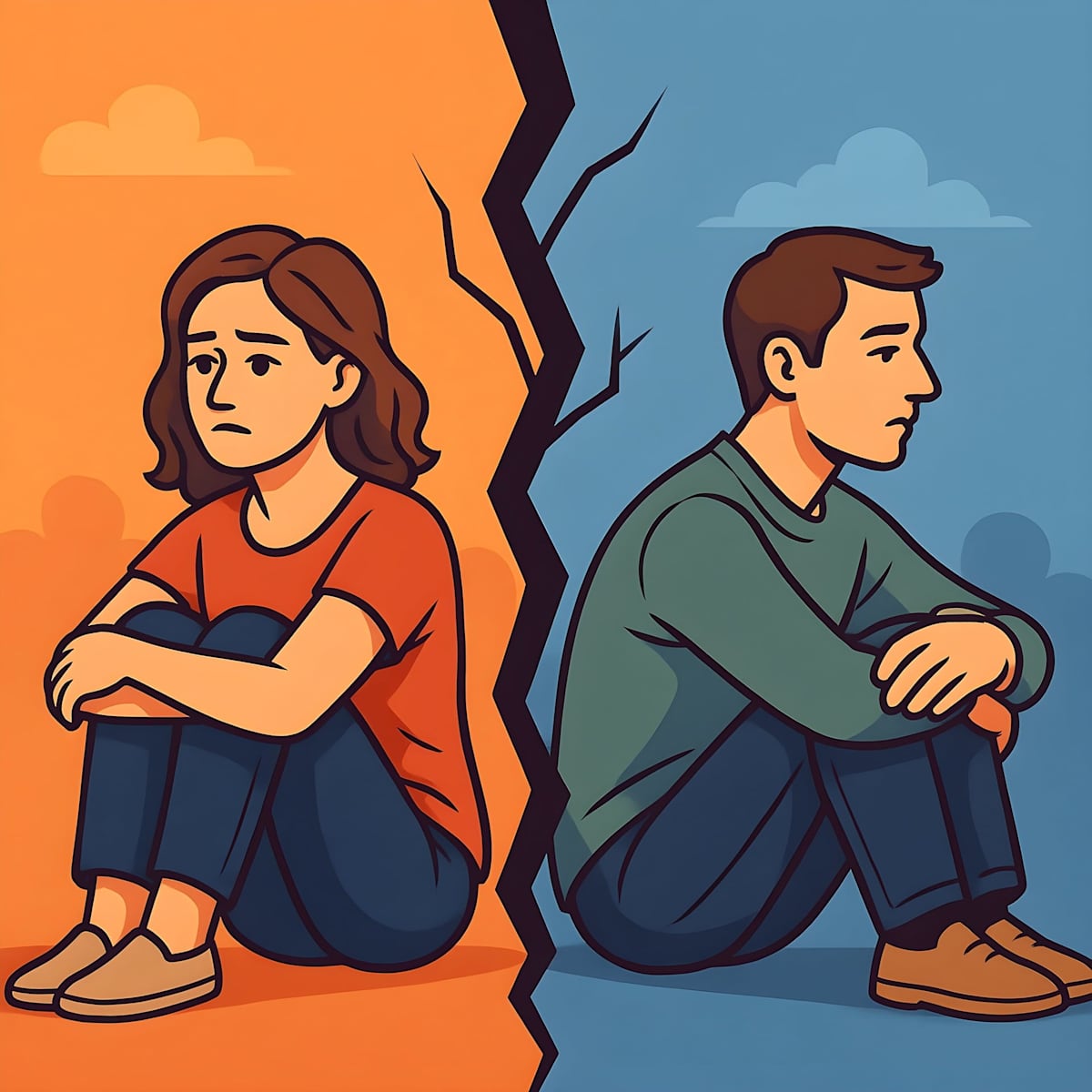
Breakups hurt in ways that feel overwhelming and all-consuming. The pain is real because the brain responds to relationship loss the same way it responds to physical pain. Studies show that looking at photos of an ex activates both the pain centers and reward systems in the brain, creating a confusing mix of emotions that can feel impossible to manage.

Healing after a breakup requires a structured approach that addresses emotional pain, rebuilds self-worth, and creates healthy new routines. The process takes time and effort, but recovery is possible when someone follows clear steps designed to support emotional healing. This guide breaks down the recovery process into manageable actions that anyone can follow.
The steps ahead cover everything from managing difficult feelings to reconnecting with friends and building a new sense of self. Each part of the healing process serves a specific purpose in moving forward. By the end, readers will have a complete roadmap for getting through this difficult time and coming out stronger.
Key Takeaways
- Healing from a breakup requires addressing emotional pain through self-care, processing feelings, and setting boundaries with an ex
- Recovery involves rebuilding confidence and identity by reconnecting with personal interests, friends, and supportive relationships
- Moving forward successfully means letting go of the past relationship and developing healthier patterns for future connections
Understanding the Emotional Impact

A breakup triggers real psychological and neurological changes in the brain that create intense emotional responses. These reactions follow predictable patterns and involve the same brain regions activated during physical pain and addiction withdrawal.
Recognizing the Stages of Heartbreak
Breakup recovery follows distinct stages similar to grief. The initial stage brings shock and denial, where the brain struggles to accept the relationship has ended. This protective response helps people process the loss gradually rather than all at once.
The middle stages involve bargaining and anger. People often replay conversations in their minds or feel intense frustration toward their ex-partner. Depression typically follows as the reality of the situation sets in.
The final stage is acceptance. This doesn't mean the pain disappears completely, but the person begins to adapt to their new reality. Not everyone experiences these stages in order, and some people cycle back through earlier stages multiple times.
Identifying Common Emotional Responses
Sadness and crying are the most recognized responses to a breakup. The brain releases stress hormones that create physical sensations like chest tightness and fatigue.
Common emotional patterns include:
- Intense longing or desire to contact the ex-partner
- Waves of numbness alternating with overwhelming feelings
- Anxiety about the future or being alone
- Relief mixed with guilt (especially if the relationship was unhealthy)
- Obsessive thoughts about what went wrong
These responses mirror drug withdrawal at a neurological level. The brain had adapted to regular interactions with a partner, and the sudden absence creates a chemical imbalance that takes time to stabilize.
The Role of Grief in Relationship Loss
Grief after a breakup is a legitimate psychological process. The loss of a relationship means mourning the future someone had planned, not just the present connection.
People grieve the daily routines, shared experiences, and the identity they held as part of a couple. This grief validates the significance of what was lost. It serves a biological purpose by forcing people to slow down and process change rather than suppress difficult emotions.
Allowing grief to run its natural course leads to genuine healing. Attempting to skip this process or immediately replace the relationship prevents the brain from fully adjusting to the change.
Prioritizing Self-Care and Well-Being

Taking care of yourself after a breakup isn't selfish—it's necessary for healing. Physical health, daily routines, and personal boundaries form the foundation for emotional recovery and help rebuild strength during this transition.
Maintaining Physical Health
The body and mind connect closely during times of stress. A breakup can disrupt sleep patterns, decrease appetite, and lower energy levels.
Regular exercise helps manage the emotional pain that comes with heartbreak. Even a 20-minute walk releases endorphins that improve mood naturally. Physical activity also provides a healthy outlet for processing difficult emotions like anger or sadness.
Sleep becomes more important during this time. Aim for 7-9 hours each night by keeping a consistent bedtime and limiting screen time before sleep. A well-rested body handles stress better and supports clearer thinking.
Eating balanced meals matters even when appetite disappears. Stock simple, nutritious foods like fruits, vegetables, whole grains, and lean proteins. Skipping meals or relying on junk food can worsen mood swings and drain energy further.
Structure provides stability when everything feels uncertain. Creating simple daily routines gives each day purpose and prevents falling into unhealthy patterns.
Start with a morning routine that sets a positive tone. This might include making the bed, drinking water, eating breakfast, or spending five minutes outside. Small actions create momentum for the rest of the day.
Schedule activities throughout the week that bring enjoyment or relaxation. This could be reading, cooking a favorite meal, trying a new hobby, or meeting friends for coffee. Regular social connection prevents isolation and reminds a person they have support.
Limit contact with reminders of the ex-partner. This means unfollowing them on social media, removing photos from view, and avoiding places that trigger painful memories. Creating distance allows the mind to focus on healing instead of reliving the past.
Setting Healthy Boundaries
Boundaries protect emotional energy during recovery. Clear limits prevent situations that delay healing or cause additional hurt.
Going no-contact with an ex-partner usually helps people heal faster. This means no texting, calling, or checking their social media. Distance creates space to process emotions without constant reminders or false hope.
Learn to say no to others without guilt. Well-meaning friends might push someone to "get back out there" before they're ready. It's okay to decline invitations or requests that feel overwhelming right now.
Set boundaries with yourself too. Limit time spent replaying memories or analyzing what went wrong. When these thoughts appear, redirect attention to the present moment through deep breathing or a grounding activity.
Navigating Difficult Emotions

Breakups trigger intense feelings that can feel overwhelming and unpredictable. Learning to recognize and work through sadness, anger, and anxiety helps a person move forward in healthy ways.
Coping With Sadness and Loneliness
Sadness after a breakup is a normal response to loss. The person may feel empty, cry unexpectedly, or struggle to find joy in activities they once enjoyed.
Allowing these feelings to exist without judgment is important. Pushing sadness away or pretending it doesn't exist often makes it last longer. Setting aside specific times to feel sad can help contain the emotion.
- Write in a journal about what feels missing
- Listen to music that matches the mood (not just upbeat songs)
- Spend time with supportive friends or family
- Create a daily routine to provide structure
- Get outside for at least 15 minutes each day
Loneliness hits hardest during times that were usually spent with the ex-partner. Weekends, evenings, and holidays can feel especially empty. Filling this time with new activities or reconnecting with old friends creates positive experiences.
Managing Anger and Resentment
Anger shows up when a person feels wronged, betrayed, or hurt by how the relationship ended. This emotion can be directed at the ex-partner, at oneself, or at the situation itself.
Expressing anger safely prevents it from building up or coming out in harmful ways. Physical activity like running, boxing, or intense exercise helps release angry energy. Talking to a trusted friend or therapist provides an outlet for frustration.
Healthy anger release methods:
- Physical exercise or sports
- Writing an unsent letter to the ex
- Talking through feelings with someone safe
- Breaking down cardboard boxes or ripping paper
Resentment develops when a person replays painful moments or unfair treatment. While anger is hot and immediate, resentment is cold and lasting. Recognizing resentful thoughts and choosing to redirect attention helps prevent bitterness from taking root.
Dealing With Anxiety After Separation
Anxiety after a breakup often stems from uncertainty about the future. A person may worry about being alone forever, financial changes, or running into their ex.
The body's stress response can cause physical symptoms like racing heart, trouble sleeping, or difficulty concentrating. These reactions happen because the brain perceives the breakup as a threat to survival.
Anxiety management techniques:
Technique How It Helps
| Deep breathing (4-7-8 method) | Calms the nervous system quickly
| Limiting social media checks | Reduces triggers and comparisons
| Maintaining sleep schedule | Stabilizes mood and stress hormones
| Avoiding major decisions | Prevents anxiety-driven choices
Grounding exercises bring attention back to the present moment. A person can name five things they see, four they can touch, three they hear, two they smell, and one they taste. This simple practice interrupts anxious thought spirals and creates immediate calm.

Social connections provide emotional support and help reduce feelings of isolation during the healing process. Reaching out to others and forming new relationships creates a foundation for moving forward.
Leaning on Supportive Friends and Family
Friends and family members offer a safety net during difficult times. They provide emotional support, practical help, and a reminder that life exists beyond the relationship that ended.
The person healing should reach out to trusted individuals who listen without judgment. These connections don't need to involve deep conversations about the breakup every time. Sometimes spending time together doing normal activities provides the most relief.
Ways to connect with existing support:
- Schedule regular phone calls or video chats
- Accept invitations to meals or casual hangouts
- Ask for help with specific tasks when needed
- Share feelings honestly with people who have earned that trust
Setting boundaries remains important even with supportive people. The healing person should communicate if they need space or if certain topics feel too raw to discuss.
Joining New Social Circles
New social environments create opportunities to build an identity separate from the past relationship. These fresh connections don't carry memories of the ex-partner or the breakup.
Group activities work well for meeting people without pressure. Classes, sports teams, volunteer organizations, or hobby groups provide structure and shared interests. The focus stays on the activity rather than on making friends, which often makes genuine connections easier to form.
Online communities centered around specific interests can also help. These groups let people engage at their own pace and comfort level.
Overcoming Social Withdrawal
Many people pull away from others after a breakup. This happens because social situations feel exhausting or because shame and sadness make isolation seem easier.
Small steps work better than forcing major social events. Starting with low-pressure interactions helps rebuild social stamina. A coffee date feels more manageable than a large party. A walk with one friend requires less energy than a group dinner.
The healing person should recognize that some discomfort is normal when re-engaging socially. Feelings of awkwardness or fatigue don't mean something is wrong. These sensations typically decrease as social muscles strengthen again.
If withdrawal persists for weeks or prevents basic functioning, professional support may help address underlying depression or anxiety.
Redefining Your Identity
After a breakup, many people realize they've lost touch with who they are outside the relationship. The path forward involves accepting this moment as a chance to grow and discovering what brings genuine fulfillment.
Embracing Personal Growth
A breakup activates the same brain regions as physical pain, which explains why the experience feels so difficult. This intense discomfort also creates an opportunity for real change.
Personal growth starts with small decisions made independently. Someone might choose what to eat for dinner without considering another person's preferences. They might pick a movie based solely on their own taste. These small choices rebuild decision-making confidence.
Key areas to focus on:
- Self-reflection - Writing down thoughts and feelings helps identify patterns from the past relationship
- Boundary setting - Learning to say no to situations that don't align with personal values
- Skill development - Taking classes or learning something new builds self-reliance
- Physical health - Regular exercise and proper sleep support emotional recovery
The goal isn't to become a completely different person. It's about rediscovering authentic qualities that may have been dormant during the relationship.
Exploring New Interests and Passions
Trying new activities fills time previously spent with an ex-partner and reveals hidden interests. A person doesn't need to commit to every new hobby they try.
Ways to explore new interests:
- Join a local club or group focused on hiking, book discussions, or board games
- Take a cooking class in a cuisine they've never tried
- Learn a musical instrument through online tutorials
- Volunteer for causes that matter to them
Some activities will feel exciting while others won't resonate. That's normal. The point is exposure to different experiences that existed outside the relationship bubble.
New passions often lead to new social circles. Meeting people who share these fresh interests creates connections based on current goals rather than past history. These relationships reinforce the emerging identity rather than the old one tied to the former partner.
Letting Go and Finding Closure
Moving forward after a breakup requires accepting what happened and releasing negative feelings toward both yourself and your former partner. These two steps work together to help create emotional peace.
Accepting the End of the Relationship
Acceptance means acknowledging that the relationship is truly over. This doesn't mean agreeing with what happened or being happy about it. It simply means stopping the mental battle against reality.
People often get stuck replaying what went wrong or imagining different outcomes. This keeps them trapped in the past. Acceptance allows healing to begin.
Steps to practice acceptance:
- Stop checking your ex's social media accounts
- Remove or store items that trigger painful memories
- Tell yourself "this relationship has ended" when denial creeps in
- Give yourself permission to feel sad without fighting those feelings
The process takes time and doesn't happen all at once. Some days feel harder than others. Progress isn't linear, and setbacks are normal.
Creating physical and digital distance helps reinforce acceptance. Boxing up photos and gifts removes daily reminders. Unfollowing or muting an ex on social platforms reduces unexpected emotional triggers.
Forgiving Yourself and Your Ex
Forgiveness releases the emotional weight of anger, blame, and guilt. It doesn't excuse hurtful behavior or mean reconciliation. It means choosing to stop carrying resentment.
Many people blame themselves for a breakup's failure. They replay mistakes and criticize their actions. Self-forgiveness requires recognizing that everyone makes errors in relationships. Those mistakes don't define a person's worth.
Forgiving an ex can feel even harder, especially after betrayal or hurt. Holding onto anger gives that person continued power over emotional wellbeing. Forgiveness is a gift to yourself, not them.
Ways to practice forgiveness:
- Write a letter expressing feelings without sending it
- Acknowledge what you learned from mistakes
- Recognize that your ex is also imperfect
- Focus on your own growth rather than blame
Forgiveness happens gradually through small choices. Each time resentment appears, consciously redirect thoughts toward healing instead of hurt.
Seeking Professional Guidance
Sometimes the pain of a breakup runs deeper than friends and family can help with, and a trained professional can provide tools and support that make real difference in recovery.
When to Consider Counseling
A person should consider therapy when their breakup symptoms interfere with daily life for more than a few weeks. This includes trouble sleeping, eating, or concentrating at work or school.
Professional help becomes important when someone experiences panic attacks, severe depression, or thoughts of self-harm. A therapist can also help when someone notices they keep repeating the same relationship patterns or struggles to trust again.
People who feel stuck in anger, guilt, or sadness months after the breakup benefit from counseling. The same applies to those who turn to alcohol, drugs, or other harmful behaviors to cope with the pain.
Therapy isn't just for crisis situations. It helps anyone who wants to understand themselves better and build healthier relationships in the future.
Exploring Therapy Modalities
Different types of therapy work for different people and situations. Cognitive Behavioral Therapy (CBT) helps identify and change negative thought patterns about the breakup and oneself.
Psychodynamic therapy explores how past relationships and childhood experiences affect current relationship patterns. This approach takes longer but reveals deeper insights.
EMDR therapy works well for people who experienced trauma in their relationship. It helps process painful memories without getting overwhelmed by them.
Some people prefer group therapy where they meet others going through breakups. Others need one-on-one sessions to work through their specific situation.
Online therapy platforms offer flexible scheduling and lower costs than traditional in-person sessions. Many therapists now provide video sessions that work just as well as office visits.
Moving Forward With Confidence
Rebuilding confidence after a breakup requires intentional action and mental strength. A person can create a meaningful future by setting clear goals and developing skills to handle difficult emotions.
Setting Goals for the Future
Setting specific goals gives a person direction and purpose after a relationship ends. These goals can be personal, professional, or social in nature.
Personal growth goals might include learning a new skill, improving physical health, or developing a hobby. A person might decide to take a cooking class, start exercising three times per week, or learn a musical instrument. These activities create positive experiences and build self-esteem.
Professional goals help shift focus toward career development. Someone might aim for a promotion, complete a certification, or change careers entirely. Work accomplishments provide tangible proof of progress and capability.
Social goals rebuild connections outside the relationship. This includes spending more time with friends, joining clubs or groups, or meeting new people. Regular social interaction reduces isolation and reminds a person they have support.
Goals should be specific and measurable. Instead of "get healthier," a better goal is "walk 30 minutes daily for the next month." Written goals increase accountability and make progress visible.
Building Emotional Resilience
Emotional resilience helps a person handle future challenges and setbacks without falling apart. This skill develops through practice and self-awareness.
Recognizing emotions is the first step. A person needs to identify what they feel without judgment. Naming emotions like sadness, anger, or relief reduces their intensity and makes them manageable.
Healthy coping strategies replace harmful behaviors. Exercise, journaling, talking with trusted friends, or creative activities help process feelings. These methods work better than avoiding pain or numbing it with substances.
Self-compassion means treating oneself with kindness during difficult moments. A person should talk to themselves the way they would talk to a good friend. Mistakes and setbacks are normal parts of healing, not failures.
Maintaining boundaries protects emotional health. This includes limiting contact with an ex-partner, avoiding situations that cause pain, and saying no to things that drain energy. Strong boundaries prevent regression and support forward movement.
Read next: Embrace Imperfection: The Secret to Confidence, Resilience, and Success